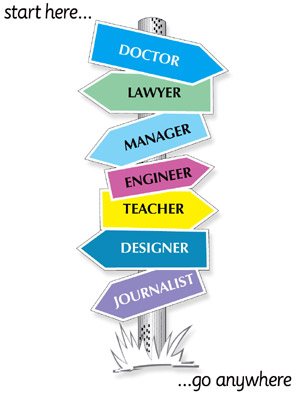

At no time in life is the need for guidance more critical than in the transition from school to work. The years between high school and the rest of your life are all about "self-awareness" and Career Guidance can help you achieve that self-awareness.
Choosing a career is one of the most important decisions a person will ever make. Unfortunately, many people make career choices without much career guidance.
The accurate choice of a career and adequate preparation for it, is essential for the attainment of career success. The importance of establishing a quality career guidance program is important to prepare for the world of work, be more competitive in the global economy and above all, to lead meaningful and productive lives.


The intent of Academic Development is to enhance a student's engagement in their own learning process, encourage higher levels of academic performance, further critical thinking skills, and promote student self-authorship in the classroom.
Through the identification of a student's academic strengths and weaknesses, we are able to work together to enhance their current learning strategies and implement new ones that will catapult them towards success.

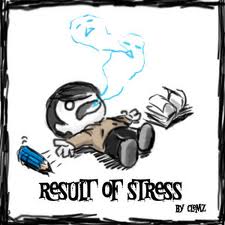
Often adolescents become overloaded with stress. Without adequate coping strategies this stress can often lead to anxiety, withdrawal, aggression, physical illness, or poor coping skills (drug use, alcohol use, self-injury, eating disorders). If your teen shows signs of being overly stressed, a consultation with a qualified professional may be helpful.
Guidance and consultation provides a platform that helps us identify any problems that may require more serious attention and referral to specialists, such as Dyslexia, ADHD, Depression and Conduct Disorder.
